

Many homeowners start looking into water treatment after noticing something unusual around their house. Maybe your dishes come out of the dishwasher looking cloudy, the shower leaves your skin feeling dry, or your water has an odd taste. The challenge is that not every water issue has the same cause. Some problems come from hard minerals, while others are related to contaminants, sediment, or chemicals. This is where many people get confused about water filtration versus water softeners. While the two are often grouped together, they serve very different purposes.
Water Softeners: Hard Water’s Enemy
A water softener is designed specifically to address hard water. Hard water contains high levels of minerals like calcium and magnesium, which can cause scale buildup inside pipes, appliances, and fixtures. A softener works by removing those hardness minerals through a process called ion exchange. The result is softer water that helps soap lather better and reduces mineral buildup throughout your home.
Water Filtration: What’s in Your Water?
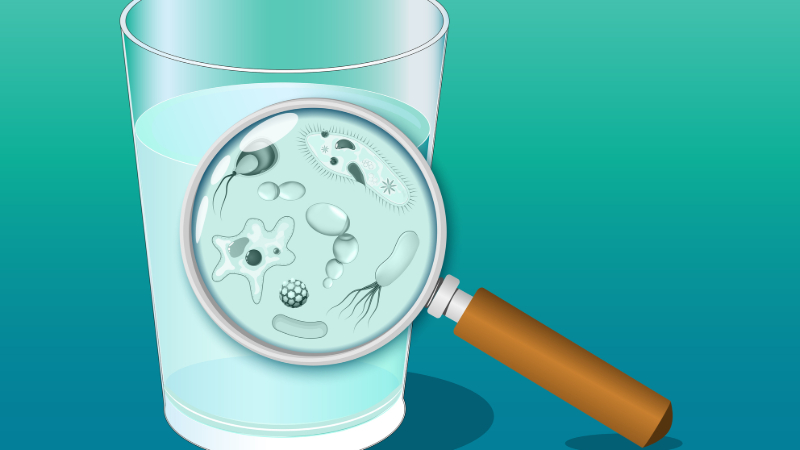
Water filtration focuses on improving water quality by reducing contaminants, tastes, smells, or particles in your water. Different filtration systems target different concerns. Some remove chlorine from municipal water. Others are designed for sediment, sulphur odors, bacteria, or specific chemicals. Reserve osmosis systems are commonly used for drinking water because they can reduce a wide range of impurities.
This distinction matters because one system cannot solve every water issue. Proper treatment depends on identifying the issue first and then finding the best setup to treat your water. Some families only need a softener to deal with hard water buildup, while others may need targeted water filtration. In many cases, homes benefit from a combination of both solutions. Water problems are rarely one-size-fits all, and the right equipment starts with understanding what is actually in your water.