
Parents spend a lot of time thinking about food labels, air quality, and household cleaning products, but have you ever considered what’s in your water? When it’s what you use every day for drinking, cooking, brushing teeth, and making baby formula, it’s critical to know how it could be affecting your household. The U.S. Environmental Protection Agency has reported that contaminants in water are not always visible, and some of the most concerning ones have no taste or smell at all. This is where drinking water testing is an important step for families who want to know what is actually coming out of the tap.
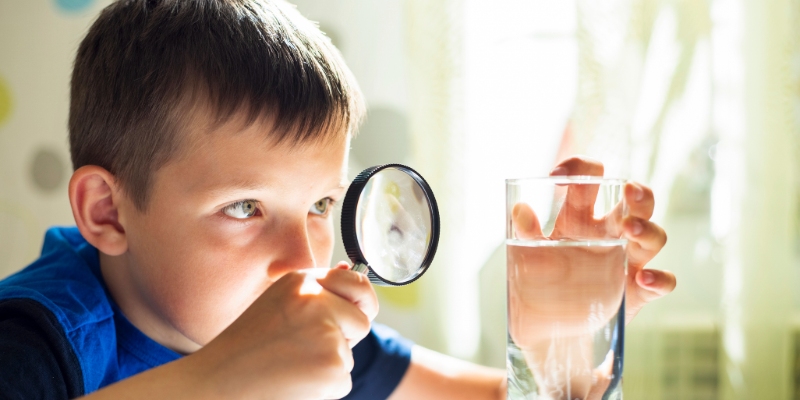
Children are more sensitive to certain contaminants, like lead, nitrates, and bacteria. Even in municipal water systems, quality can be affected by aging infrastructure or seasonal conditions. Regular drinking water testing helps identify issues that would otherwise go unnoticed. It can also provide peace of mind when you want confirmation that your water is meeting safety guidelines.
Most experts recommend testing at least once a year for basic contaminants, with additional testing if there are changes in taste, smell, or appearance. Homes with infants, pregnant individuals, or immune-sensitive family members may benefit from more frequent checks. Drinking water testing can help you make informed decisions about what kind of filtration and water treatment systems would work best for your home.
Water is something families use constantly without thinking too much about it. Taking the guesswork out of it with drinking water testing provides you with clear answers about whether any action is needed to get cleaner water for the health of your loved ones.