

Hard water is a common problem that homeowners often live with for years before realizing how much damage it can cause. From soap scum on shower doors to dry skin, spotted dishes, and worn-out appliances, hard water can quietly affect everyday life. In fact, the United State Geological Survey estimates that hard water exists in about 85% of American homes. Even with how common it is, there are still many misconceptions about water softeners and what they actually do.
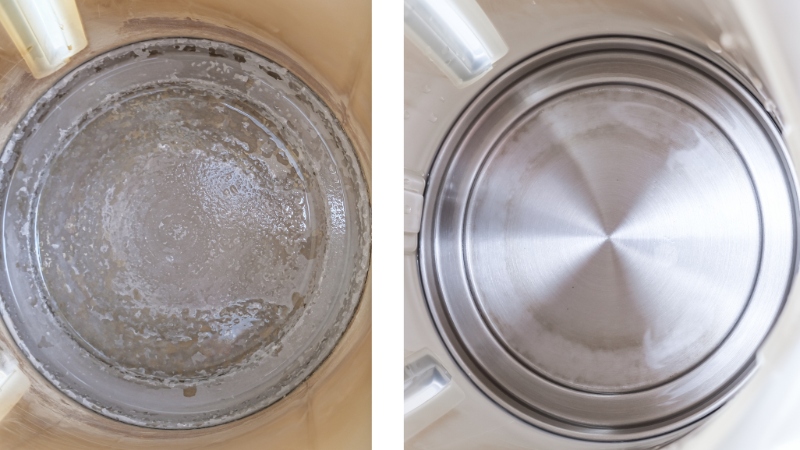
Here are four of those myths and why they’re false:
- Water softeners purify drinking water. Not true! Softening systems are designed to remove hardness minerals like calcium and magnesium, not bacteria or chemicals. If you have additional concerns, water softeners are best combined with a specialized treatment system.
- Water softeners can remove sulphur, iron, or manganese problems. False! They are not the ideal solution for those issues. Sulphur smells, metallic tastes, and staining problems often require different types of treatment equipment designed especially for those contaminants.
- Soft water feels “slimy.” This feeling is a myth. What many people are actually noticing is the lack of mineral buildup on their skin. Hard water leaves behind a residue that many mistakenly believe feels cleaner only because they are used to it. Once soap rinses properly in softened water, skin often feels smoother.
- Water softeners need constant maintenance. We’re happy to say this is not true. Simply keep salt levels topped up and schedule occasional servicing to make sure everything continues operating properly.